
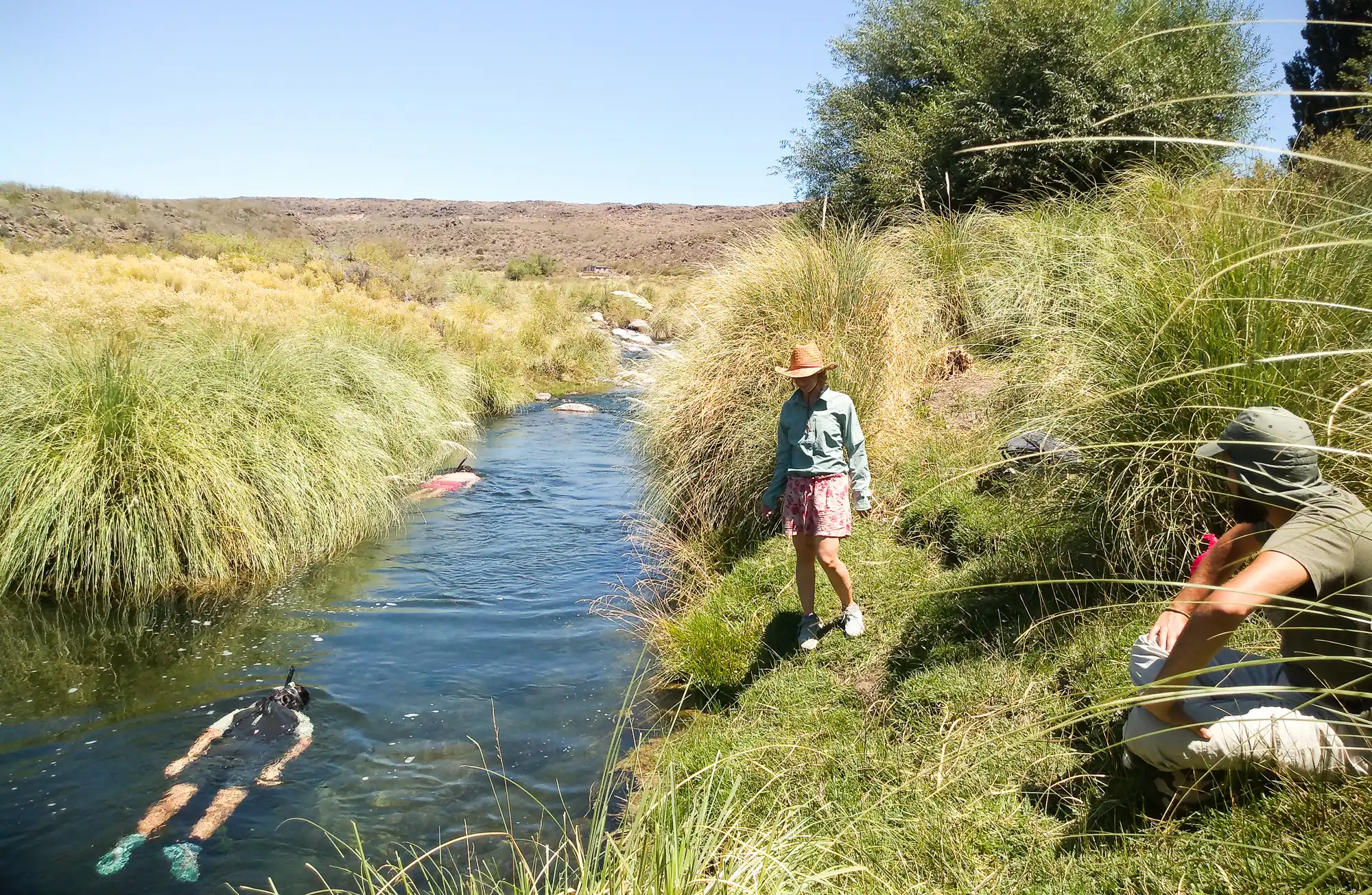
Volunteer
At Fundación Somuncura, we firmly believe in learning through action. That’s why, every year, we launch calls for volunteers. This program is designed for those who wish to start in the field of conservation, offer their help on the ground, and turn knowledge into real impact.
It is our hope that this volunteer program will be well utilized by its participants and serve as a useful tool to replicate our conservation strategies in other regions of Argentina (and why not, the world!).
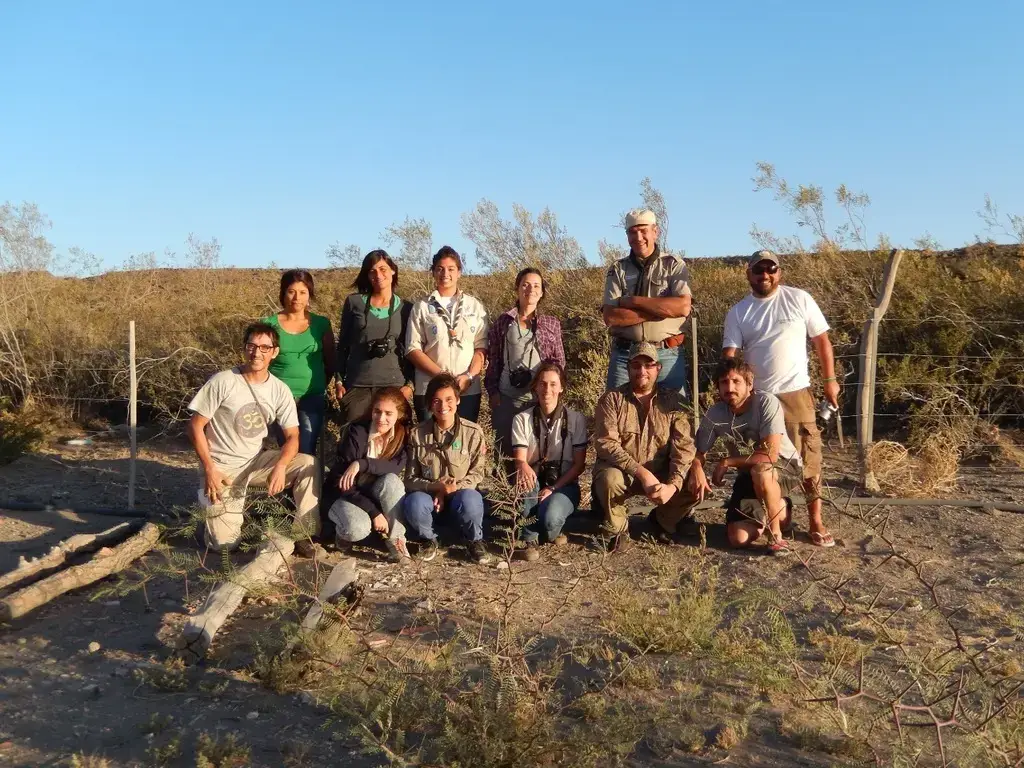
Participants have come from




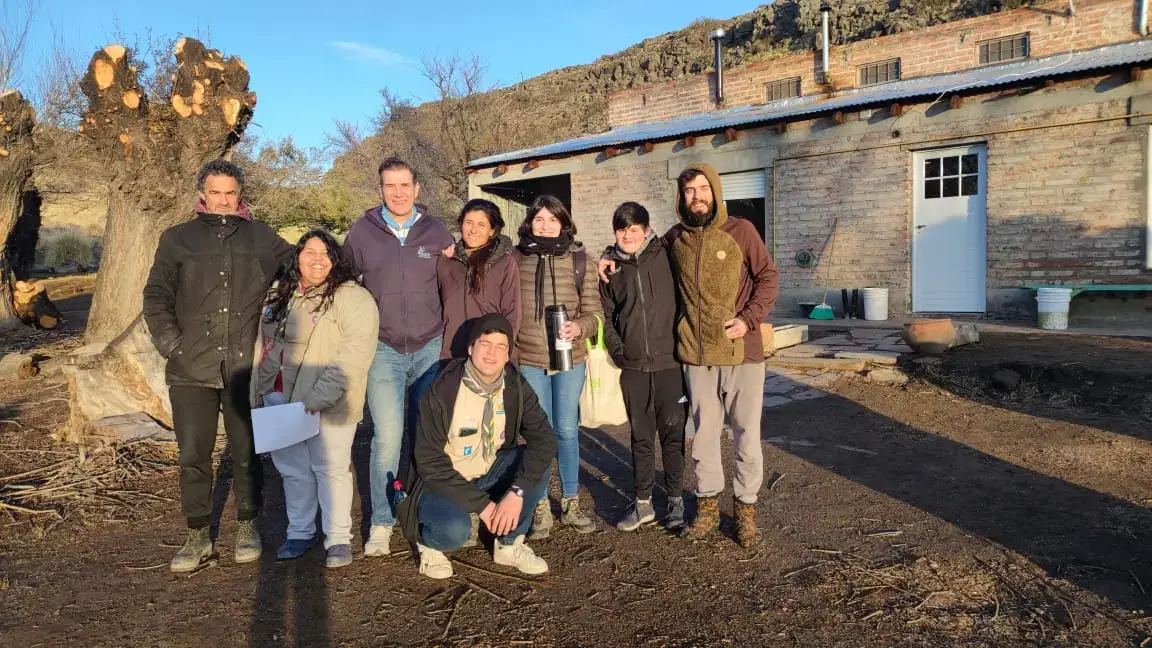

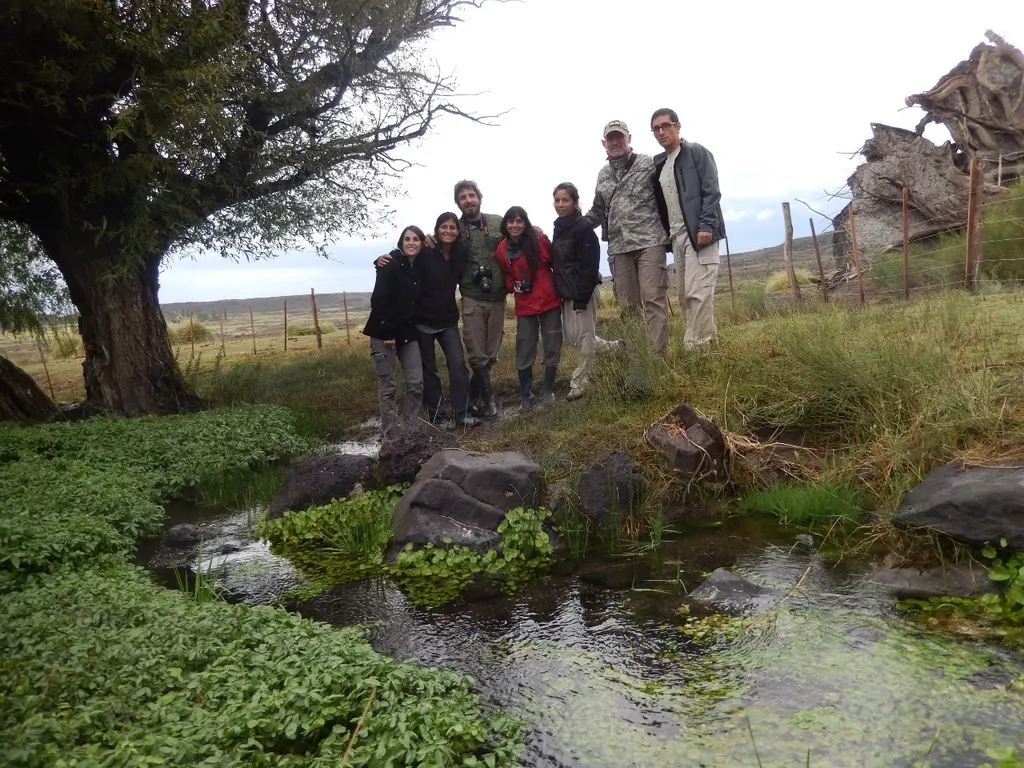


We thank our network of support and sponsorship
About Our Volunteer Program: Somuncura Destination
Everything you need to know before applying
Please read the detailed information below carefully. Once your application is submitted, you will confirm that you accept our conditions and requirements. Any non-compliance could lead to the suspension or termination of your volunteer service.
Candidate Profile
- Individuals with a genuine interest in biodiversity conservation and/or research.
- Passion for learning, proactive attitude, good humor, and a positive disposition.
- Possession of appropriate personal equipment for field work.
- Ability to enjoy long walks and live in a group setting.
- Good physical condition and psychological preparedness to work in extreme weather conditions.
- Willingness to assist with tasks unrelated to field work, such as maintenance and cleaning of common areas and work equipment.
- We value individuals with first aid knowledge (not mandatory).
- No prior knowledge and/or experience is required.
General Tasks
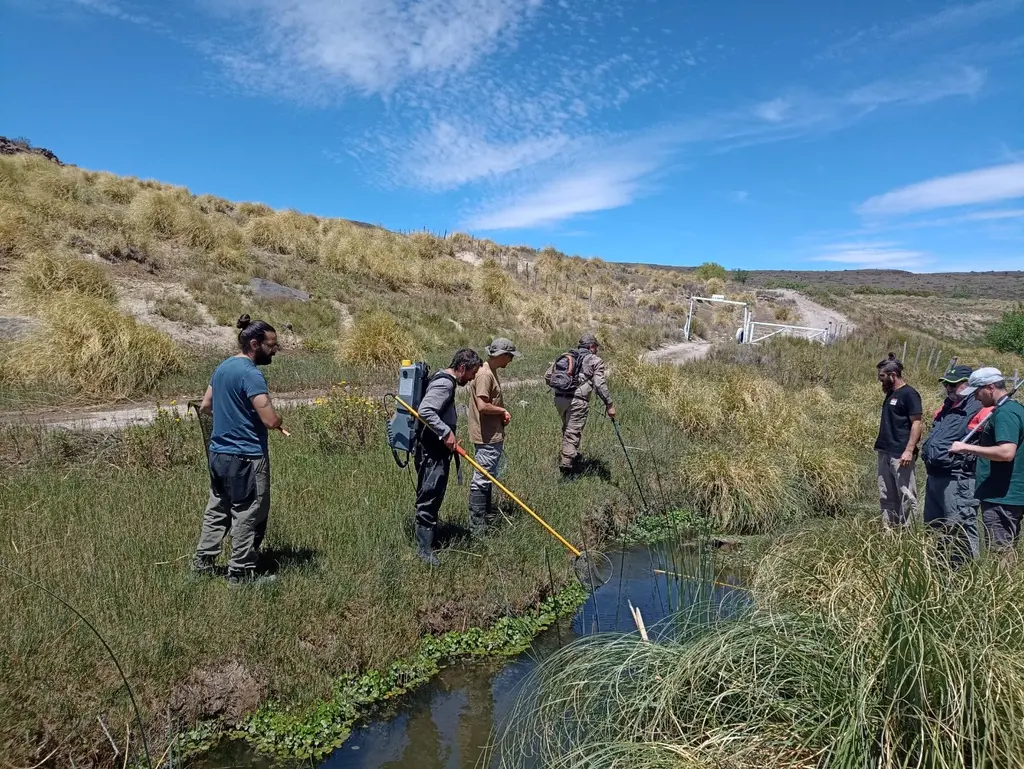
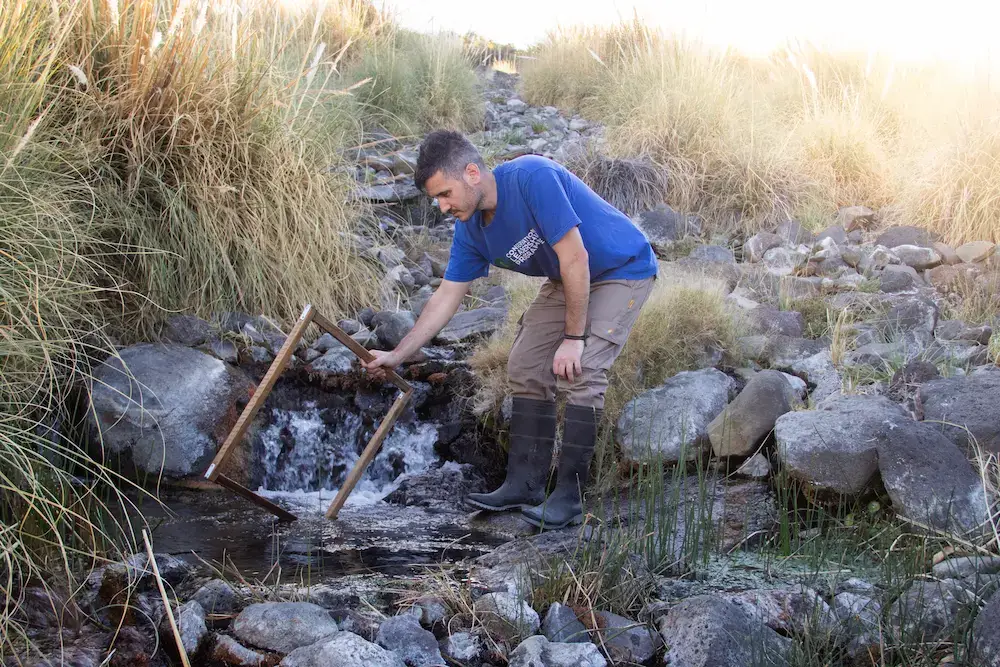
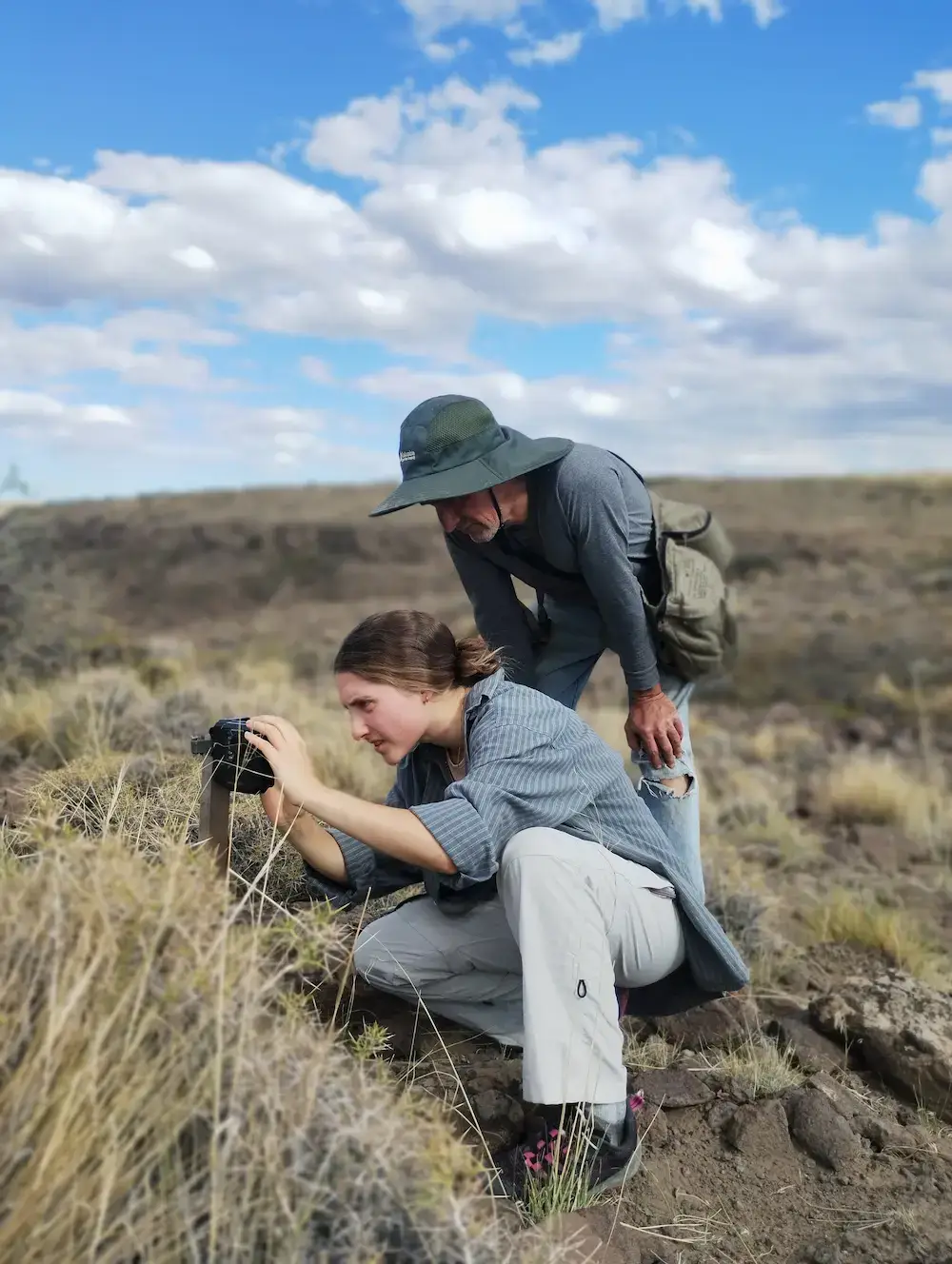
- Biodiversity Monitoring: amphibians, fish, birds, mammals, spring and steppe vegetation (always under protocol).
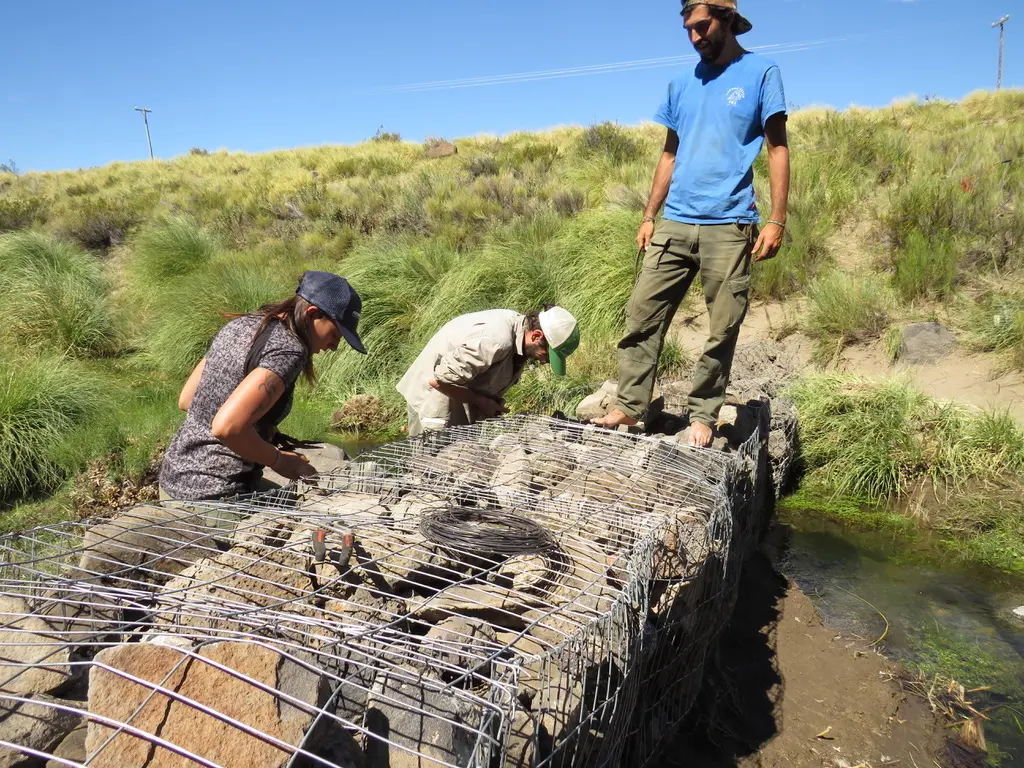
- Restoration and Management: spring protection, enclosure maintenance, support for fish barrier construction, and threat control.
- Coexistence with Carnivores: support for the livestock guardian dog program, night corrals, and best practices without poisons or hunting.
- Education and Community: workshops, low-impact guided tours, photographic documentation, and support for signage/trails.
- Data and Logistics: data entry, equipment maintenance, campaign preparation.
- Station Maintenance: signage, access points, cleaning, pruning, among other activities.
Weather Conditions
The environment in Patagonia is extreme, with strong winds and a wide daily temperature range: temperatures can vary between zero degrees Celsius on some nights and exceed 30°C during the day. In general, March weather is mostly temperate and windy, with cold and warm days. Solar radiation levels are still significant; for this reason, it is necessary to have appropriate clothing and equipment to work comfortably outdoors and avoid problems due to the region’s climate.
Cost
Thanks to the support of organizations, we offer partial and full scholarships to cover the food and accommodation costs for selected volunteers. When you complete the form, apply for the scholarship!
The four-week expedition costs approximately 500 USD per volunteer. This includes transportation between the Scientific Station and the town of Valcheta, as well as necessary transfers within the scope of the volunteer program, four daily meals, accommodation, and camping equipment for the entire stay. Transportation to Valcheta and return to the place of origin are the responsibility of the volunteer, as are all associated costs for this travel: food, accommodation, etc.
How to get to Valcheta
Our meeting point will be in the town of Valcheta, Río Negro province. We will coordinate the details of the date and time of your transfer via email beforehand. At the end of the volunteer program, we will take you back to the same town so you can return to your place of origin. You can check options for getting to Valcheta by bus via this link.
Workplace
The main accommodation will be at the Kau Yat Scientific Station, located in the Chipauquil area, 70 km from the town of Valcheta in the northeast of the Somuncura Plateau. Kau Yat serves as the operational base for Fundación Somuncura’s activities and other research and conservation projects in Patagonia. The space is shared with the head of the Scientific Station, researchers from other projects, as well as technical staff and occasional visitors. During the volunteer program, field trips may occur, requiring camping.
Kau Yat’s facilities include potable water, a traditional bathroom, a shower with hot water, an automatic washing machine, a refrigerator, a gas stove, and heating. During your stay, you will share a room with other volunteers. Rooms are equipped with single beds and furniture for storing belongings.
Communication and Internet Access
There is no cell phone signal or mobile data service at the Scientific Station. However, satellite internet service is available, and it depends on electricity. If for any reason the electricity service at the Scientific Station is interrupted, the nearest place with internet is 5 km away, at the Chipauquil school. Service outages are frequent (due to winds or a local problem, or even at certain times of the year, electricity is cut off at night). Please assess whether the lack of access to communications would pose serious complications for you.
Food
Meals typically consist of stews, soups, rice, pasta, bread, cold cuts, and potato and meat-based dishes (mainly lamb and beef). Ingredients in the field are limited, as in any rustic camp kitchen. Fresh fruit and vegetables are not always abundant or available.
The menu during the volunteer program will be defined in advance, but there will always be some flexibility. Meals are prepared by all residents of the station, including volunteers. The kitchen has manuals indicating how to prepare each dish.
If you have any food intolerances or restrictions, you need to take appropriate precautions for your stay. It is important to note that Patagonia is not a place where it is easy to maintain a vegan or meat-free diet, as these are the primary protein sources in the region. Nevertheless, we believe this should not be a limiting factor for your participation in the volunteer program.
Health
Field tasks often require long walks and, fundamentally, manual labor that can involve significant physical effort. Therefore, applicants must be in good health and willing to complete these tiring days. It is important for applicants to know their physical capabilities and endurance for working in adverse weather conditions.
The Scientific Station team has a first aid kit and trained personnel to respond to emergencies or accidents, but each volunteer is responsible for bringing any medications and supplies they need for their personal health care. Fundación Somuncura is not responsible for costs that may arise from pre-existing conditions or negligence on the part of volunteers.
Safety Regulations
The plateau is a difficult and sparsely accessible place; the distance to urban centers is great, and human density is low; its climate is changeable, and there are few reference points, making it a place prone to accidents and setbacks, which can be avoided or minimized if all pertinent precautions are taken. The following rules aim to increase safety levels when traveling and staying in this inhospitable environment.
The sun on the plateau has a much greater impact on the skin than in temperate and tropical zones, due to the thinness of the ozone layer and low atmospheric humidity. Because of this, UV radiation is much higher, so it is essential to use sunscreens with a minimum SPF of 50 and apply them several times throughout the day to avoid burns and blisters.
Van transfers will be frequent during the volunteer program. Vans will be driven exclusively by Fundación staff. All passengers must always wear seatbelts and follow the safety instructions given by the technical personnel responsible for the team.
Walking in the field will be a frequent activity, as many places are inaccessible even to vans. The minimum equipment to bring on any field walk includes: sufficient warm clothing to prevent hypothermia, enough water for the day, a flashlight with charged batteries, a GPS and a handheld radio with charged batteries, and some food or a snack. For long treks, a first aid kit should also be carried.
Getting lost on the plateau is relatively easy, and in situations of “whiteout” caused by rain and low clouds, it is almost impossible to orient oneself. Always pay attention to the instructions of the technical team. GPS is a fundamental tool in these situations. Many cell phones today have GPS, but remember that it is necessary to download a map of Patagonia beforehand to use it in situations without connectivity. In this case, make sure you also have reference points and battery charged. At night, reference points disappear completely, and getting lost is a matter of meters. If you need help with any of these things, do not hesitate to ask our technical team.
The foundation’s policy is NOT to visit local residents alone to avoid any possible misunderstanding regarding the topics discussed with them. It is recommended to maintain a professional relationship, avoiding the consumption of alcohol or substances that could lead to over-familiarity and deterioration of the working relationship.
Whenever possible, always carry a communication method (InReach or handheld radio), even when going to nearby sites. Check that batteries are charged and make sure you know how to use them. Again, if you have doubts, consult the program’s technical team.
During night patrols, all safety rules must be strictly observed.
Important! In case of serious problems or abnormal situations, avoid making major decisions independently. Always try to communicate with the program managers.
Coexistence Rules and General Conduct
While participating in the volunteer program, each volunteer represents Fundación Somuncura, so attitudes and performance towards third parties will impact the Foundation’s Project. Therefore, during visits to villages and homes, cordiality, good manners, and respect must prevail in our behavior and attitude. When in doubt, always ask politely.
At Fundación Somuncura, the basic rule of “good vibes” prevails: respect, sharing, and collaboration. For this, the only important requirement is a positive disposition. The cleanliness and order of the Scientific Station, the vans, and the camping areas are everyone’s responsibility.
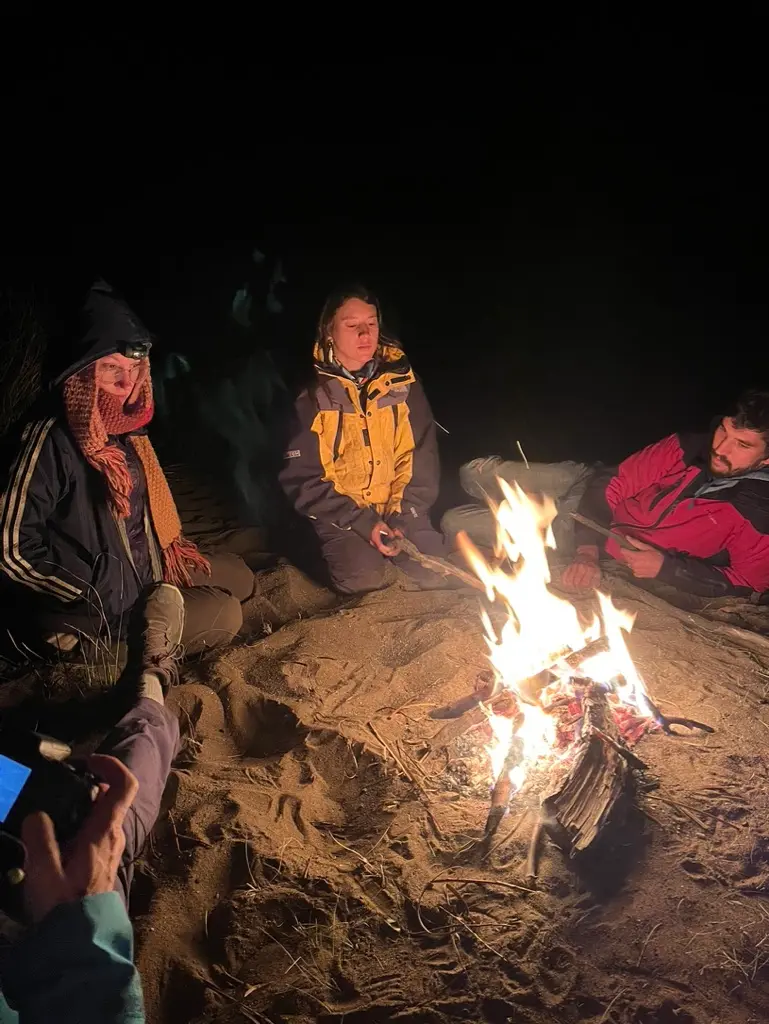
At the Scientific Station, heating is provided by gas and firewood. Collecting and cutting firewood to keep the firewood boxes always full is a daily task for everyone.
Cleaning of common areas (rooms, kitchen, bathrooms, living room, etc.) is done daily.
Cleaning of vans and camping equipment upon returning from the field is everyone’s task. Fieldwork only ends when everything is clean and stored, ready for the next team to use.
Handle equipment (tools, tents, instruments) with great care and report any malfunction or breakage (it can happen!).
Collaborate in the maintenance of items that break. There are always things that need repair; it’s just a matter of asking.
There are always things to do, such as repairs, house cleaning, equipment maintenance. A lack of “things to do” simply indicates a lack of proactivity on the part of the individual. Ask how you can help, or offer mate to someone who is doing something: it’s about helping and contributing to a positive atmosphere!
Living together can be intense. Respecting personal space contributes to a pleasant and agreeable coexistence.
Activities you choose to undertake outside the scope of the volunteer program will not be the responsibility of the Foundation. Activities that involve certain risks, such as rock climbing, running or jogging, exploring, or even birdwatching, among others, are the sole responsibility of the person undertaking them. FS will not cover costs arising from injuries or problems that occur as a result of these activities. This also applies to visits to local communities.
Respect for Nature and Waste Management
The spirit of Fundación Somuncura is based on a profound respect for nature. Therefore, our main principle is that our presence in the area leaves no marks and is as positive as possible. Always strive to generate the least possible impact on ecosystems, avoiding touching nests or disturbing wildlife with loud noises or sudden movements.
Under no circumstances is it permissible to leave marks or writings (“petroglyphs”) on the walls of the stream, lagoons, or plateaus, nor on the walls of visited posts.
Proper waste management is essential. In work areas, we separate waste into recyclables (plastics, paper, and glass), non-recyclables, and organic waste. You will receive exact instructions upon arrival.
In the field, waste management requires extra effort on our part: our goal is to leave absolutely none. All waste we generate must be returned to the Scientific Station for proper disposal, including toilet paper.
When you are in the field, and even in the surroundings of the Scientific Station, you will find old trash: everyone is encouraged to collect this trash during free time and during transfers (by car or on foot), especially when we find plastics and glass.
Confidentiality of Data and Audiovisual Material
As in all conservation and research projects, the information generated during fieldwork is a fundamental part of its capital. Therefore, 100% of the data obtained during the work period within the framework of the volunteer program belongs to Fundación Somuncura, and its use in other contexts must be agreed upon through formal acceptance by the responsible members. This includes the publication of data on social networks and forums, as well as in popular science and scientific journals. This also applies to information concerning protocols for management actions, species control, and other similar actions, whose results are fundamental for the Project’s operation.
Photographs, recordings, filming: All material obtained in the context of the volunteer program must be 100% available to the Fundación Somuncura Conservation Project. It is understood that copyright will remain with those who created the material, but immediate availability to Fundación Somuncura is required. For this purpose, a Google Drive folder will be shared, or we also have a netbook and external drives, where all obtained material must be downloaded before the end of the stay. For this, it is necessary to create a folder with the photographer’s name and an estimated participation date in the project (e.g., “Rodríguez Jan2026”). Files must be named with the author’s name and, if possible, in .jpg format (e.g., Matias_rodriguez_12.jpg).
The dissemination of images showing the work or results of the Project must be previously agreed upon with the communication or coordination team of Fundación Somuncura, regardless of whether the publication will be on social media (Facebook, Twitter, Instagram, etc.) or in other media (magazines, newspapers, television, etc.).
Participation in the volunteer program implies consent to the use of photographs or videos in which the volunteer is depicted for the purposes of dissemination and promotion of Fundación Somuncura.
No photographic or video recordings should be made of individuals without their prior consent. Even taking photographs or filming a landscape should be avoided if, in the distance, there are people who have not given their consent. Audiovisual recording is a very sensitive issue for some local community members, and we do not want this to cause problems.
Personal Items/Equipment
Essentials:
- Work clothes: field pants or durable pants resistant to vegetation and fences. Clothes that you don’t mind tearing, getting dirty, or stained.
- Repellent (essential in both winter and summer).
- Sunscreen and cocoa butter or lip balm.
- Cap or hat for the sun.
- Trekking shoes/boots or safety boots; old sneakers for wading.
- Comfortable footwear for indoors (espadrilles, Crocs, slippers, etc.).
- Comfortable backpack for carrying your belongings on daily trips.
- Personal hygiene items (towel, soap, shampoo, razors, etc.). We suggest bringing moisturizing cream, even if you don’t usually use it, as the climate is very dry and can cause discomfort.
- Wind goggles (sunglasses with good side coverage).
- Personal flashlight with batteries and spare batteries.
- [Winter] Warm clothing (warm jacket, thermal underwear, windproof pants).
- [Winter] Gloves, warm hat, scarf or neck gaiter.
- [Winter] Ideally, rubber boots for wading.
- [Winter] Sleeping bag for low temperatures.
- [Summer] Lightweight clothing for hot weather.
- [Summer] Light-colored clothing that covers the entire body for working or walking in the sun.
- [Summer] Swimsuit or bathing suit.
Recommended:
- Laptop for personal use if you deem it necessary.
- GPS (additional GPS units are always welcome).
- Personal radios (long-range).
- Field notebook (for taking notes in the field).
- Binoculars.
- Reading material, cards (playing cards), crosswords, dice, or any other board game.
- Tablet or cell phone with downloaded material (videos, movies, music).
- Field guides for fauna and flora identification.
Coexistence with Local Residents
Occasionally, conservation management actions generate conflicts of interest with local residents near the reserve. For this reason, the foundation carries out meticulous social work with the aim of establishing cooperative ties with the people living in the surroundings and achieving the most harmonious coexistence possible for all parties.
While participating in the volunteer program, you are representing Fundación Somuncura, with a great impact on the image of our projects and our relationship with the area. It is extremely important that you maintain a cordial and respectful demeanor at all times with everyone you interact with during activities, visits, and recreational outings.
It is necessary to understand that the people who inhabit the area, including members of the Mapuche community, may have customs and ideas different from ours. Therefore, we ask for respect for these differences and to avoid confrontation. We reiterate the request not to photograph or film without the consent of the affected individuals (even if they are far away).